Exhibited Artworks
Perfection
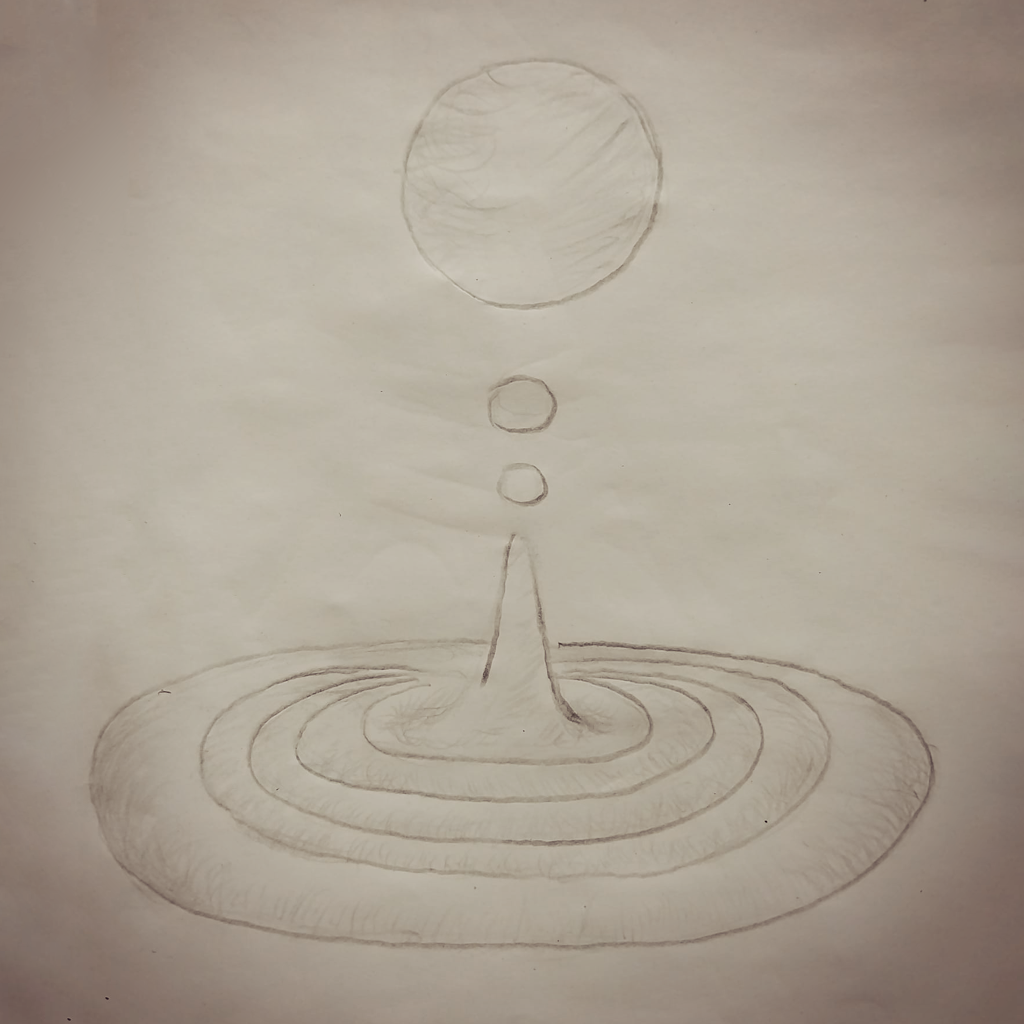
Drop of Water
Every drop of water is a miracle—it carries a memory of everything it has touched. Water, on which all living things—including us—vitally depend, remains a great mystery. One of these mysteries is the snowflake, about which it is said that no two are alike. At least that is the common assumption, since it can’t truly be proven.
According to Japanese researcher Masaru Emoto, water has memory and can be influenced by various external factors—one of them being sound. Harmonic music—such as most of Mozart’s—or positive words like love and joy are said to shape water crystals into beautiful structures, like the one hidden inside a drop. By contrast, harsh, chaotic music or curses deform the water into misshapen micro-structures.
In his experiments, Emoto showed that water responds to our thoughts, words, emotions, and music. The drop above the surface reminds us of our own perfection—that we are not separate, but rather like communicating vessels. Our actions, joy, and pain are creative and leave traces.
Water’s memory is fragile, yet incredibly powerful. It deserves respect and protection. Water is more than a source of drink—it is a living book of the Earth, recording the stories of humanity and nature. Let us learn to value and protect it again.
May this drop sculpture remind us that every gesture has an echo.
A Fairy-Tale Hockey Player
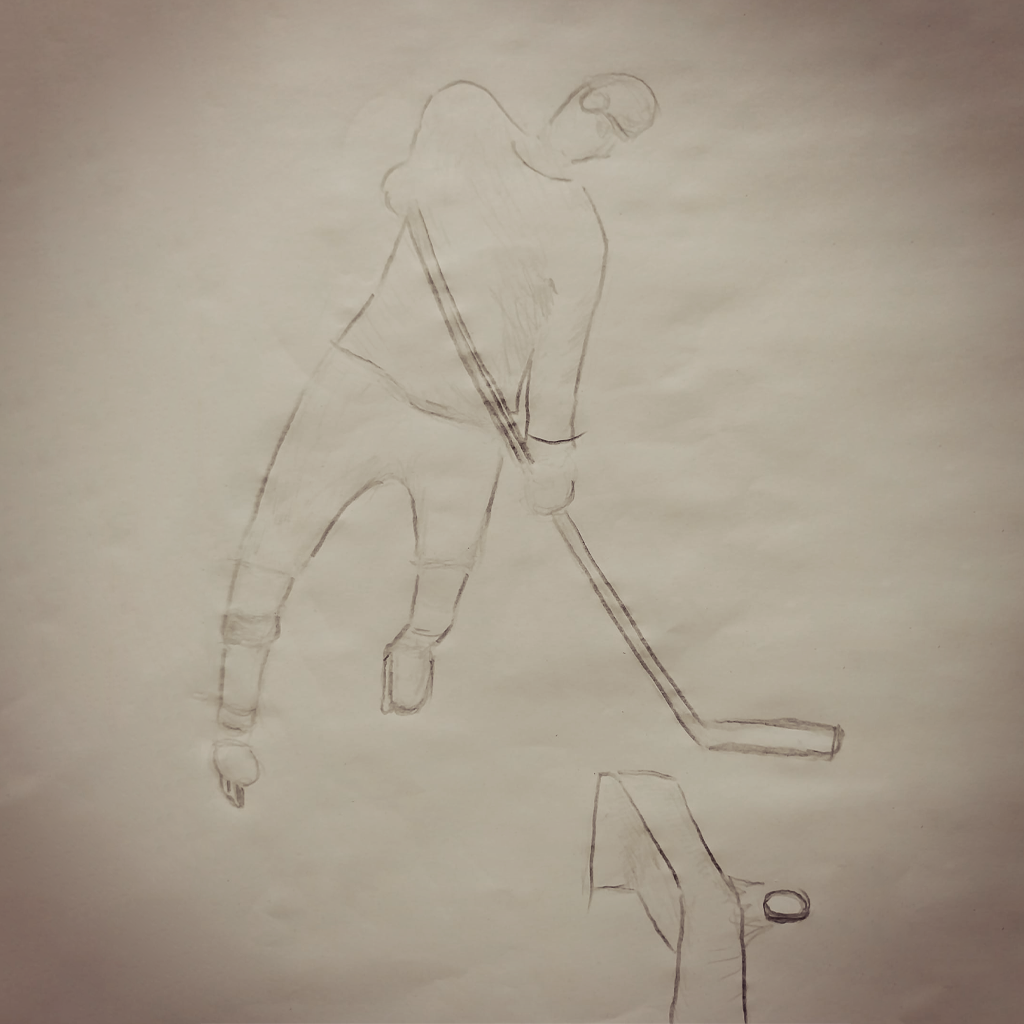
Zdeno Chára
Long ago, in the town of Trenčín, a boy was born who grew so fast people thought the sun was giving him special fertilizer. One day he whittled a hockey stick from a magic tree—so long that even pole vaulters envied him.
On the ice he flew like a dragon, and when he unleashed a shot, shepherds in the Tatras looked up, thinking it thundered—though the sky was clear. His teammates had to pass him his helmet from a ladder, otherwise it wouldn’t reach his head. And when he won the Stanley Cup, they had to make an extra-large version so he could dip his fingers in—not just his pinky.
Zdeno Chára still holds the record as the tallest NHL player and for the hardest shot—175 km/h. He turned his height—at first a disadvantage—into a strength. With a broader perspective on the world, he prevailed and became a hockey legend.
elegance of Paris
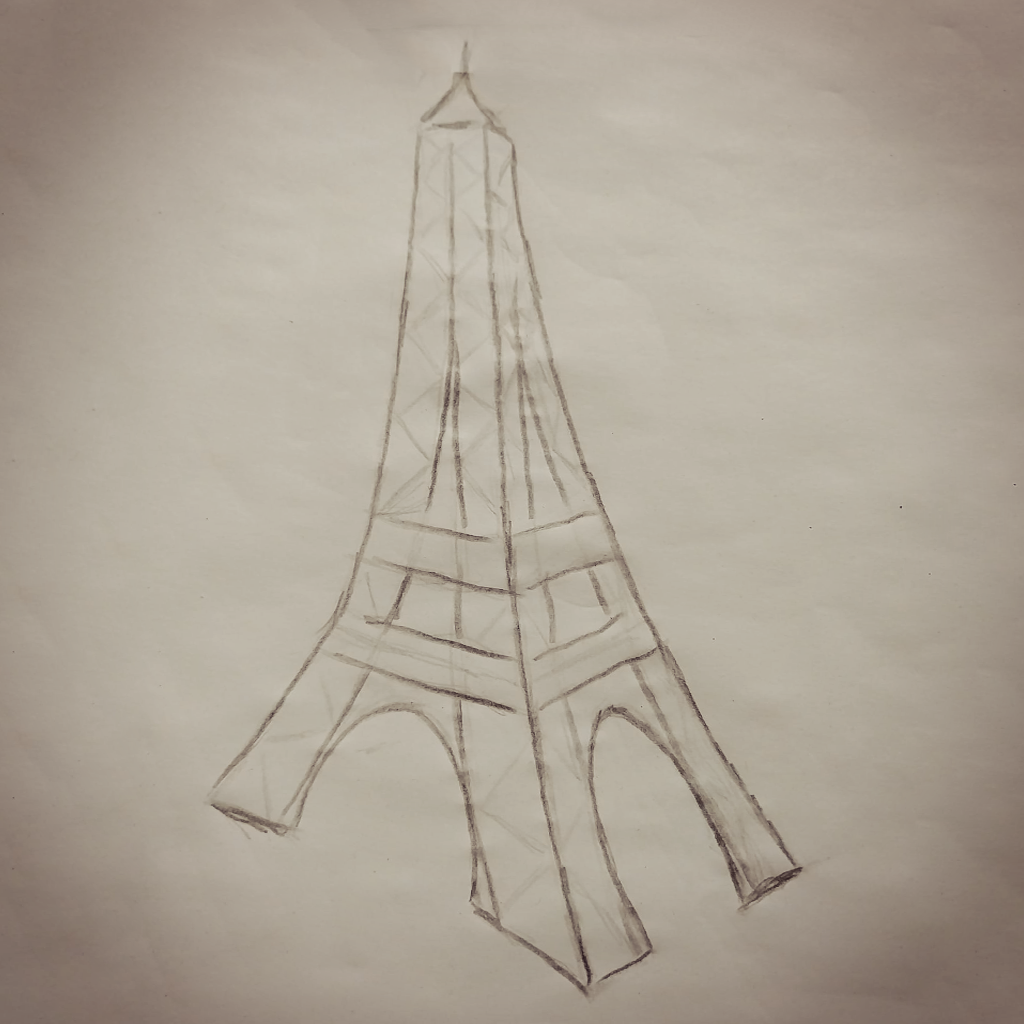
Eiffel Tower
This famous work of architecture from the atelier of Gustave Eiffel dates to 1884. It was designed by two engineers—Koechlin and Nouguier—working at Eiffel’s firm, for the World’s Fair marking the anniversary of the French Revolution.
For a time it was the tallest structure in the world, and also a test of modern engineering. It was completed in 2 years and 2 months.
Many stories surround the Eiffel Tower. In the 1920s, con artist Victor Lustig pretended to be a government official and convinced scrap-metal dealers that the tower was going to be dismantled. He even took a deposit and disappeared—allegedly doing it twice.
The secret apartment at the top. For a long time people said Eiffel had a luxurious suite with a view over all Paris. In truth, a room did exist, but it was small, Spartan, and used mainly for meetings with scientists.
This work remains an elegant, enticing symbol of Paris—well worth a visit.
true friendship
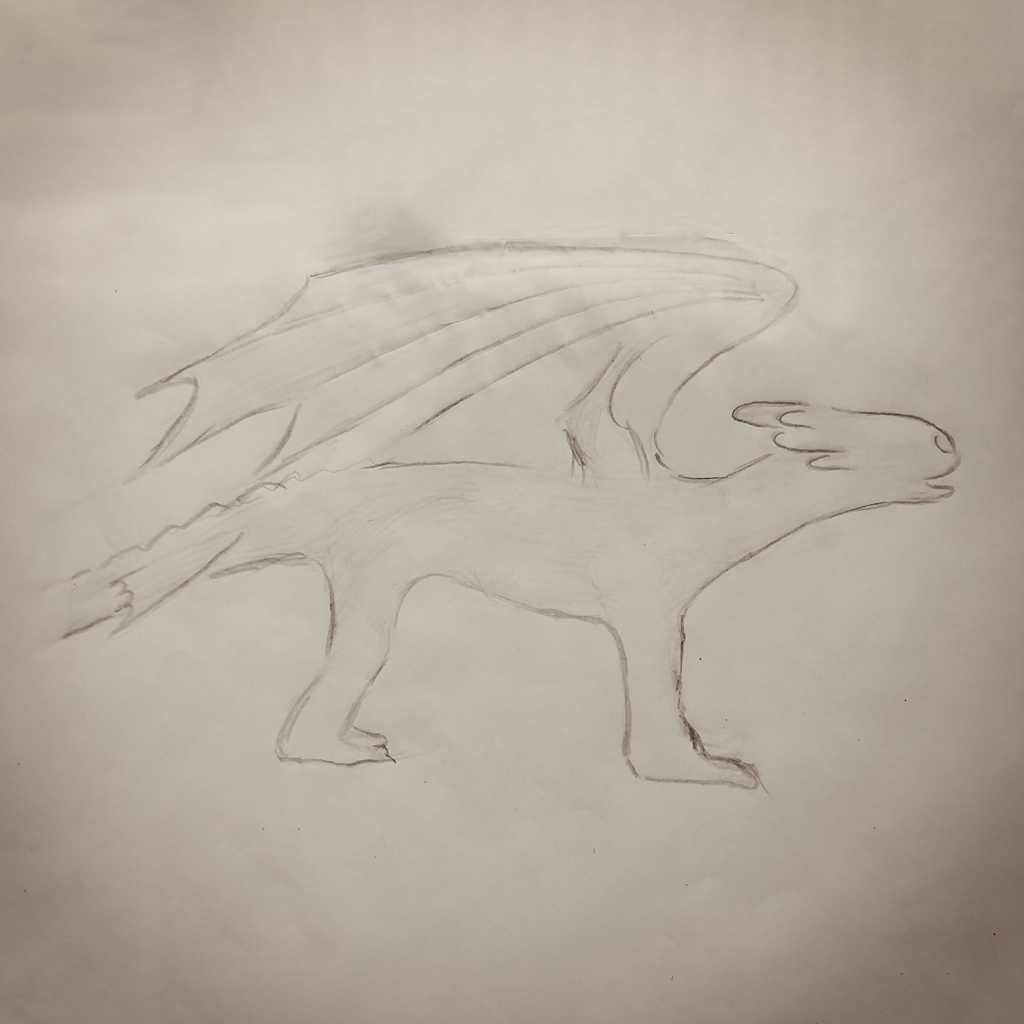
Toothless and Hiccup
In ancient times, when dragons were as common as grains of poppy seed, there lived a small Viking—Hiccup. He was slighter than his peers, but used his wits all the more.
In a clash between Vikings and dragons, he used his invention to snare a dragon. When he met him again, instead of killing him he set him free. Toothless had an injured tail and couldn’t fly. Hiccup built him a new one—a technical marvel the dragon couldn’t control alone. Their longing for freedom and flight brought them together. With Hiccup on his back like an aircraft captain, they took to the sky.
They became friends and lived many adventures. Their friendship changed the Vikings too—from dragon hunters to dragon guardians. But the urge to hunt dragons lived on in other tyrants. So Hiccup helped Toothless find a hidden refuge where dragons could live in peace.
Humanity wasn’t ready for the dragons’ gentle nature, and so they had to part. Sometimes true friendship also means letting go—for the good of the one you love.
Mr. and Mrs. Lamp
Dancing Couple
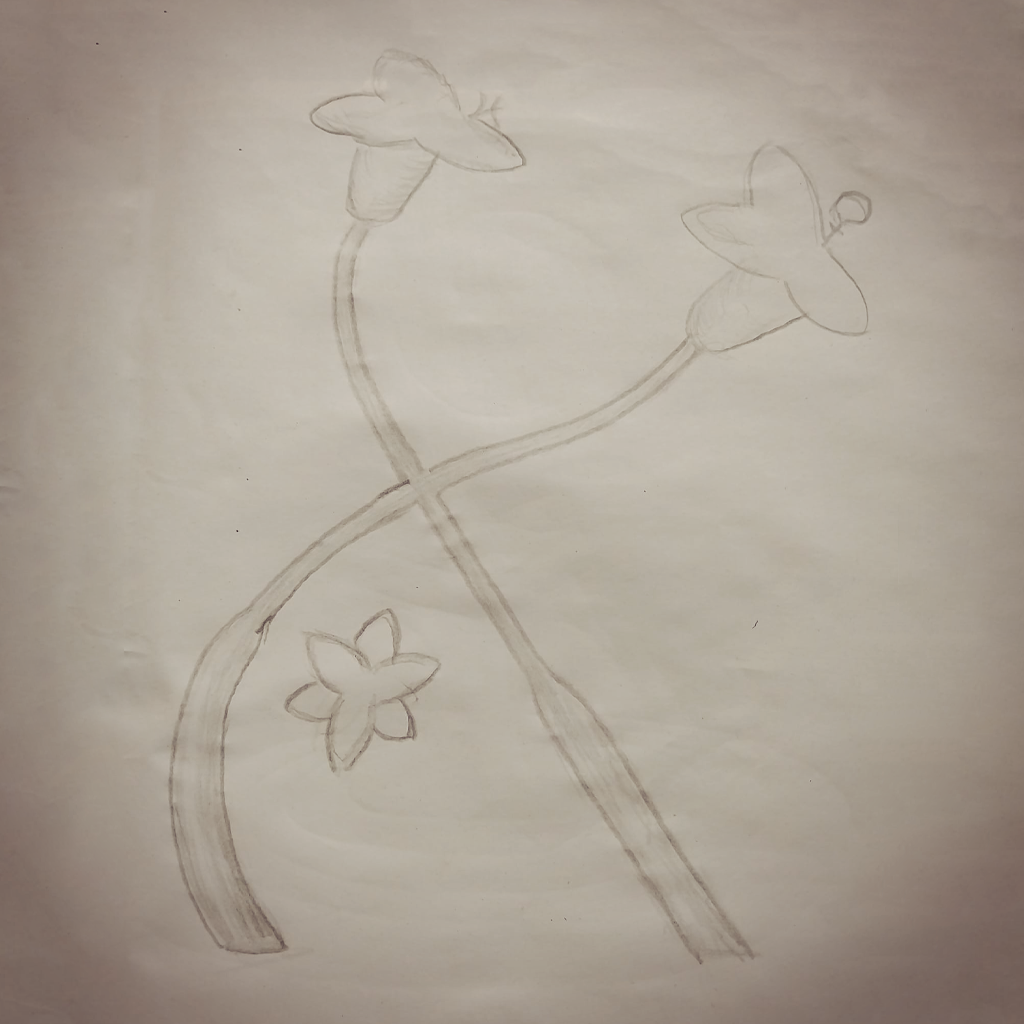
This unconventional dancing pair finally realized they didn’t have to stand like pillars of salt. They decided to truly whirl into dance.
In a half-flower hat, Mrs. Lamp yields to Mr. Lamp, who—in a hat of the opposite flower—looks into her eyes. Their passionate dance of Jupiter and Venus is a joy to behold.
Invite your lady to dance today as well—perhaps you’ll light up the sky and delight the stars in her eyes.
Štrbské Pleso and the Fairy Ajsen
Lake of Love
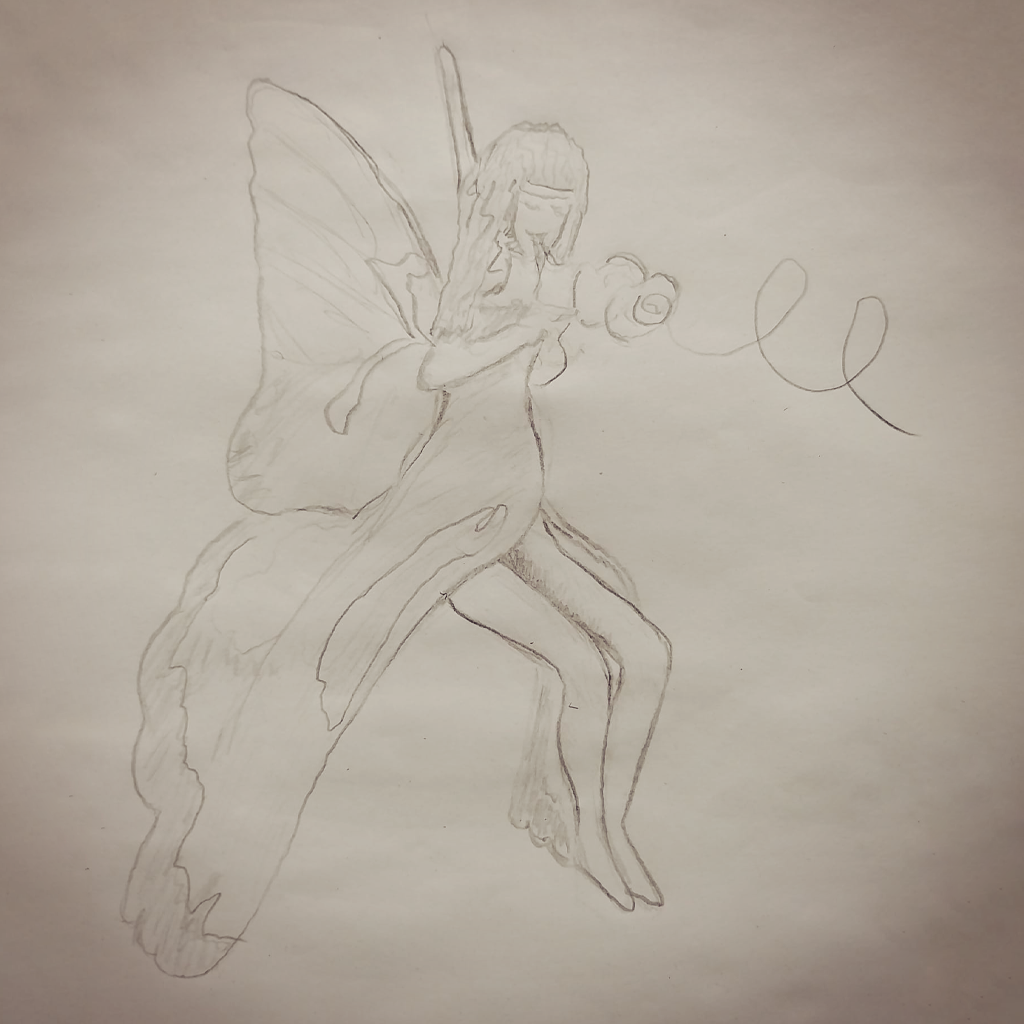
Many mountain lakes (Popradské, Veľké Hincovo) are said to be home to fairies. They appeared to shepherds and young men as beautiful maidens, helped the good, and kept away from the wicked.
Long, long ago, when the Tatras were not so noisy, shepherds and lads from villages below the mountains would roam the peaks. The finest place to rest was by a great lake that gleamed beneath the summits like a mirror of the sky. People called it the Lake of Love. It was known that fairies lived in its depths—delicate beings with hair silver as moonlight and smiles sweet as honey. They danced and made merry on its shores, but showed themselves only to those who came with a pure heart and joy within. The fairies had the gift of revealing the future.
Whoever dared gaze into the dark water saw the image of their great love. A young man would often see the face of a girl he didn’t yet know—and in time she would enter his life. Girls, in turn, saw brave lads whom they could later recognize even blindfolded. But the lake also had a stern face. If a liar, a thief, or someone playing with others’ feelings drew near, the reflection showed endless darkness—yet with a message. It mirrored his traits and gave him a chance to change.
If someone wished to cleanse his heart, he had to remain for three days and three nights by the lake—without food, in silence, with a deep desire to know. Such a person could hear the healing music of higher spheres, dissolving his veil of ignorance and reminding him that happiness lies within.
Each morning and evening, one of the noblest fairies would sound a conch. The fairy Ajsen. Her warming melody left one sitting in speechless awe—motionless, as if time had stopped. To those who surrendered to it, the music melted hardened opinions and traits. After such cleansing, it always became clear what new thing to fill oneself with to escape one’s fate.
Goodness attracts goodness. Evil always turns against itself.